
Waimea (Kamuela)
Upcountry town at 2,676 ft., Parker Ranch, observatory consortium, acclaimed private schools, paniolo and ranching culture.
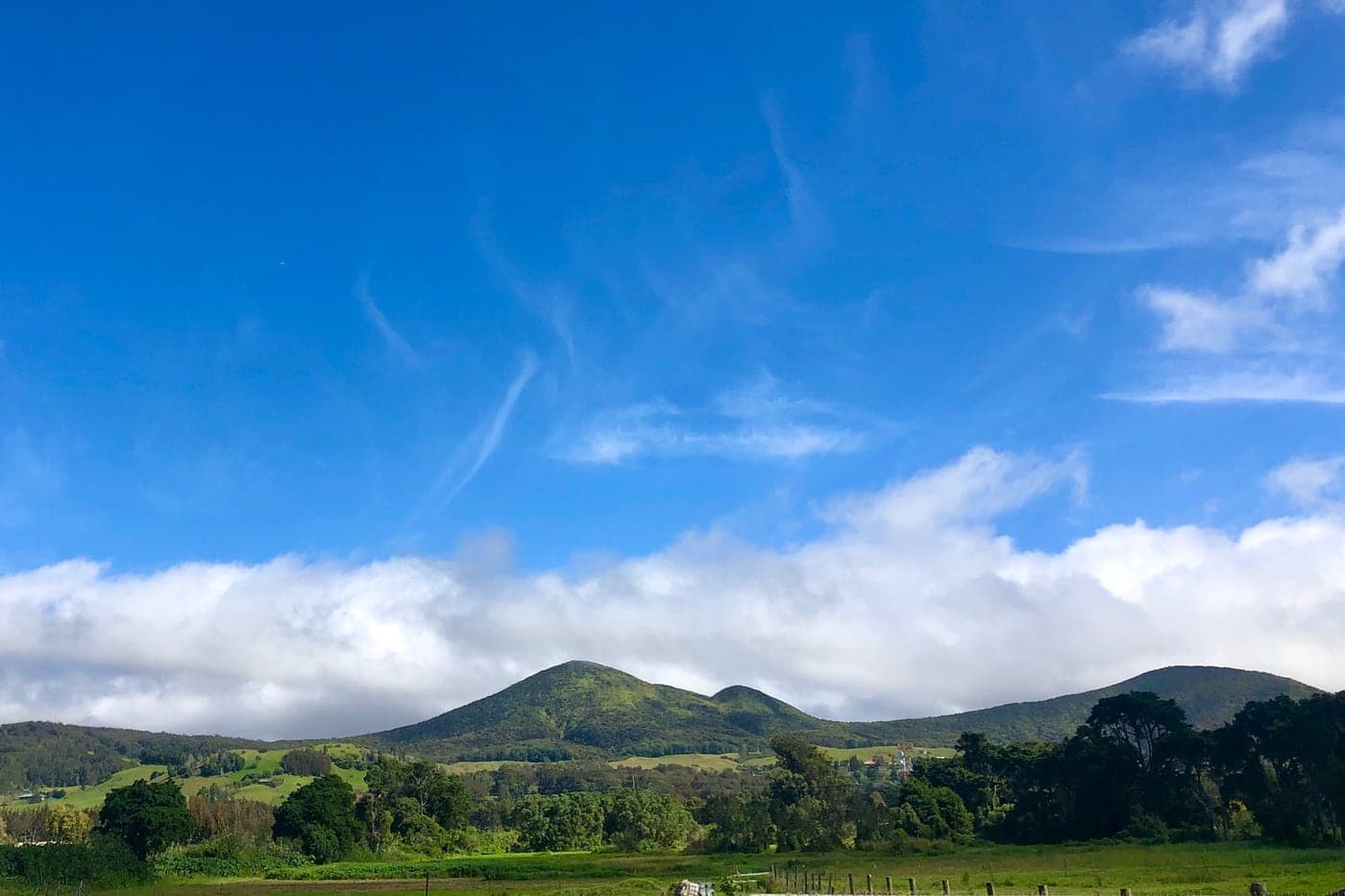
Waimea sits at 2,676 feet on the saddle between Kohala Mountain and Mauna Kea, and it is the reason people say the Big Island has real seasons. Mornings arrive cool and often misted, afternoons open out over green pasture, and a fire in the evening is not unusual. The town grew up around Parker Ranch, founded in 1847 and long the largest privately owned cattle ranch in the United States The paniolo culture here is living rather than commemorated: the Fourth of July rodeo is still one of the biggest days on the calendar. It is also, improbably for a ranching town, an intellectual center, holding the headquarters of the W. M. Keck Observatory and the Canada-France-Hawaii Telescope alongside Hawaii Preparatory Academy and Parker School. The post office calls it Kamuela, after Samuel Parker, as Kauai already had a Waimea, but locals don't use that name for anything except mail. Farmers markets run midweek and on weekends and the town supports more farm-to-table cooking than its size would suggest. The trade every buyer weighs here is the same one: a few degrees of warmth given up for pasture, schools and elbow room, with Hapuna Beach still only half an hour downhill.
Waiki‘i Ranch
Private gated equestrian community between roughly 3,500 and 5,000 ft. Large residential lots, polo and rodeo grounds.
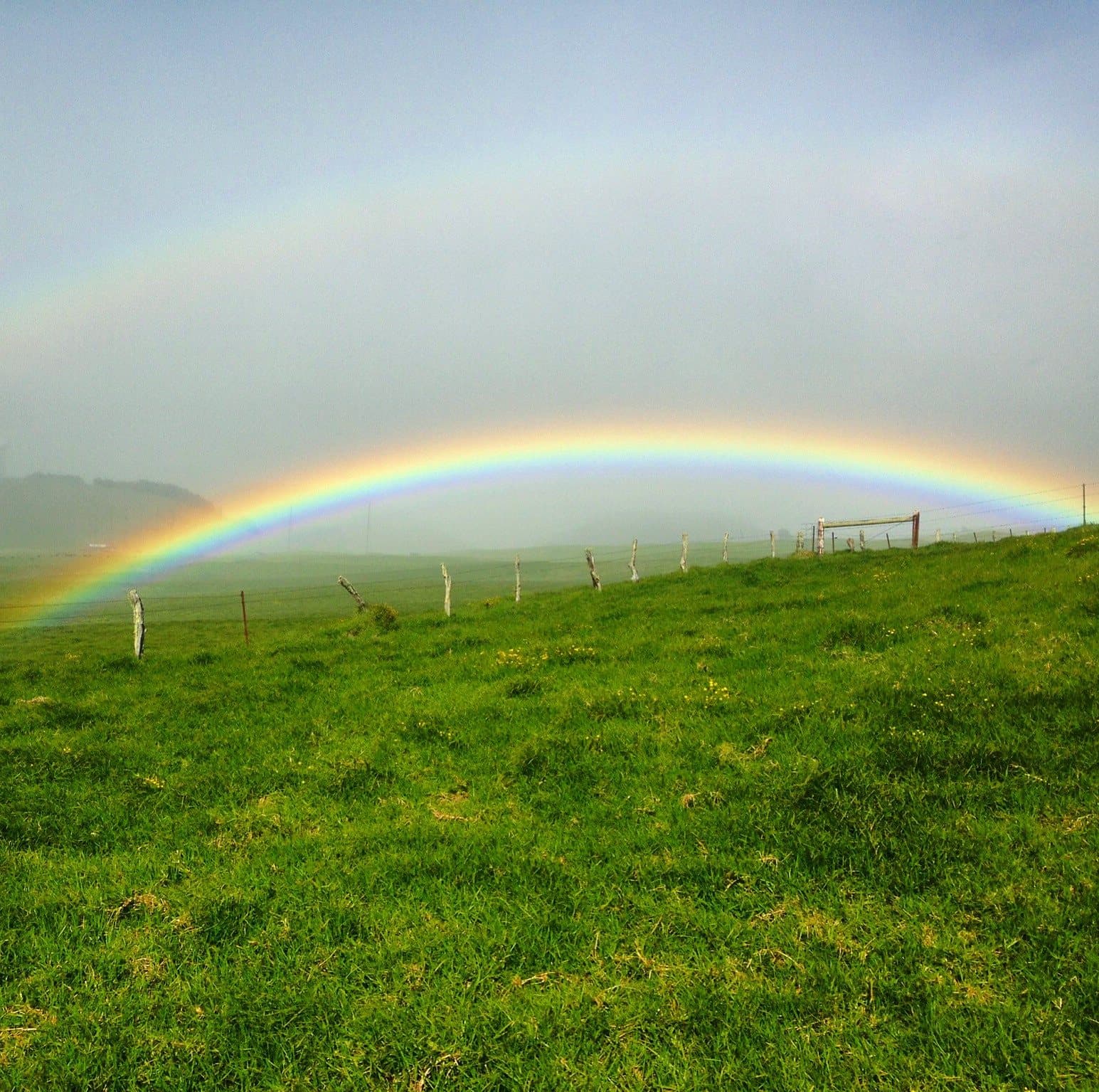
Waiki‘i Ranch sits on the western slope of Mauna Kea between roughly 3,500 and 5,000 feet, reached off the upper highway and near the Saddle Road. It is the highest location in the district where people actually live. The gated community covers more than 2,000 acres divided into 10, 20 and 40 acre lots, so neighbors are a field away rather than a fence away. It was built around horses and remains so: the polo field and rodeo grounds are its social center, and riding out from your own gate is the point of being here. At this elevation the air is thin and properly cold after dark, eucalyptus and pasture stand in for palms, and the cloud line often sits below the houses so that you look down onto weather rather than up at it. Mauna Kea rises directly behind, and on clear winter mornings there is snow on it. Waimea is about twenty-five minutes downhill for groceries and schools, which is the trade every owner here makes deliberately.
Waikoloa Village
Planned community established 1971 between the upper and lower highways. golf, shopping, condominiums and homes, most part of Waikoloa Village Association..
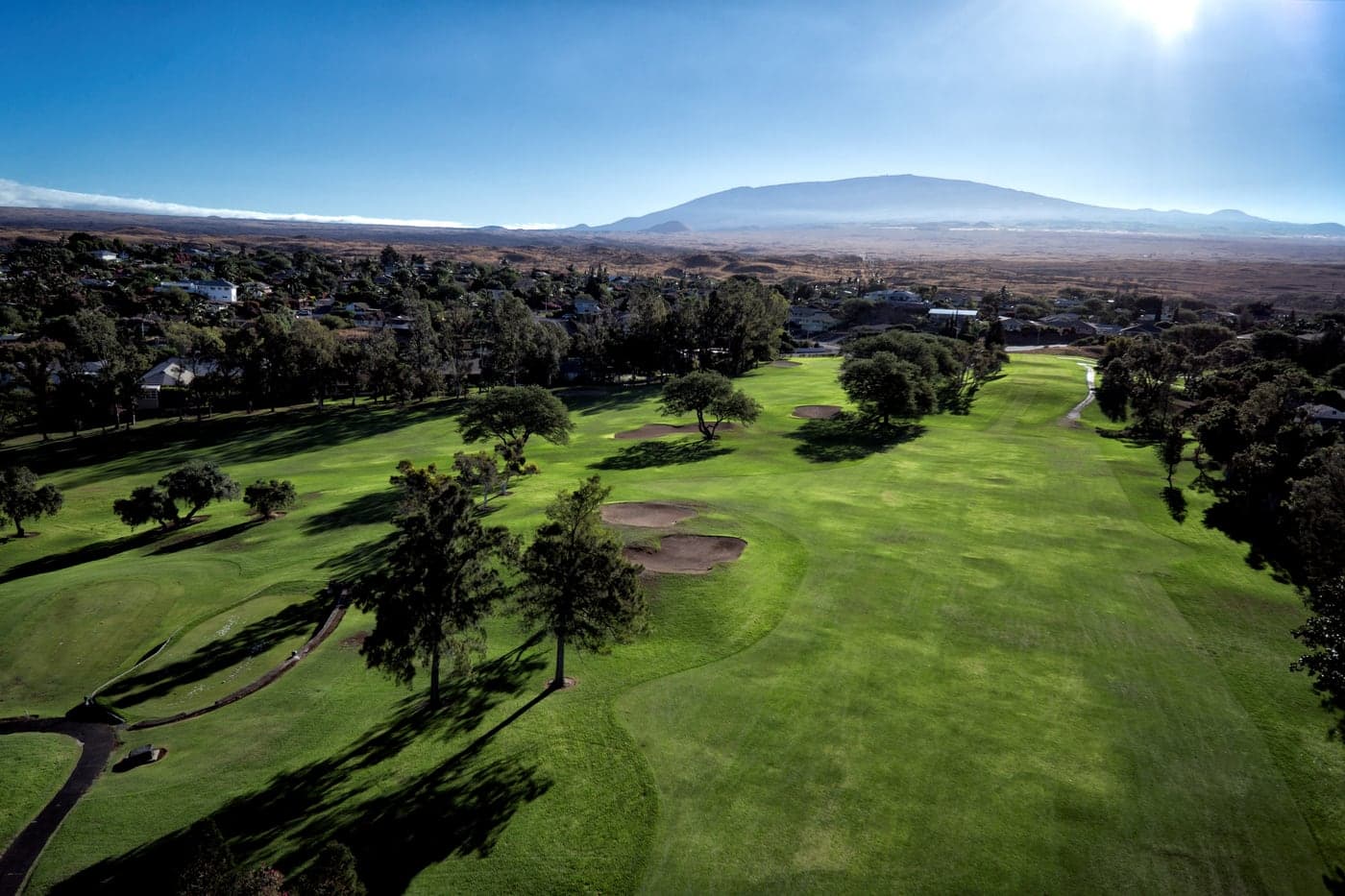
Waikoloa Village was laid out in 1971 as a golf and retirement community and has become something rather different: a village of about 7,100 people where families and retirees live alongside each other. It sits between the upper and lower highways, which makes it the closest ordinary residential community to the Kohala Coast beaches, roughly fifteen minutes down to the sand. The Robert Trent Jones Jr. course still runs through the middle of it, and ownership brings use of the course, the community pool and the tennis courts. A K-8 school arrived as the population changed, and there are two shopping centers, a post office and parks, so daily life does not require leaving. The land is dry, open and windy, covered in kiawe and golden grass rather than tropical growth, and the late light over the coast is why so many lanais face west. For most buyers this is the value argument in South Kohala: coastal access and real conveniences without coastal pricing.
Kawaihae
Working deep-draft harbor at the northwest end of the district. Fishing and recreational docks, and Pu‘ukohola Heiau above it.
Kawaihae is the working end of the Kohala Coast, a deep-draft harbor that is one of only three on the island alongside Hilo and Honokohau. Its sheltered bay mattered long before container ships: it served as a seat of power on Hawaii Island in the eighteenth century, and Pu‘ukohola Heiau, the great temple Kamehameha I raised above the shoreline, still commands the hill over the harbor. In the late 1700s the anchorage was among the most suitable on the island for western ships, and its proximity to the fertile uplands of Waimea made it a regular stop for resupply and repair in the early Kingdom years. Today the harbor mixes commercial shipping with fishing boats and recreational craft, and the water off it gives some of the best diving and whale watching in the district. It is small, hot and unpretentious, a place you stop for fresh poke or shave ice passing through.
Puako
A single road of oceanfront and second-row homes on a shallow reef. Tide pools, petroglyph preserve, no resort.
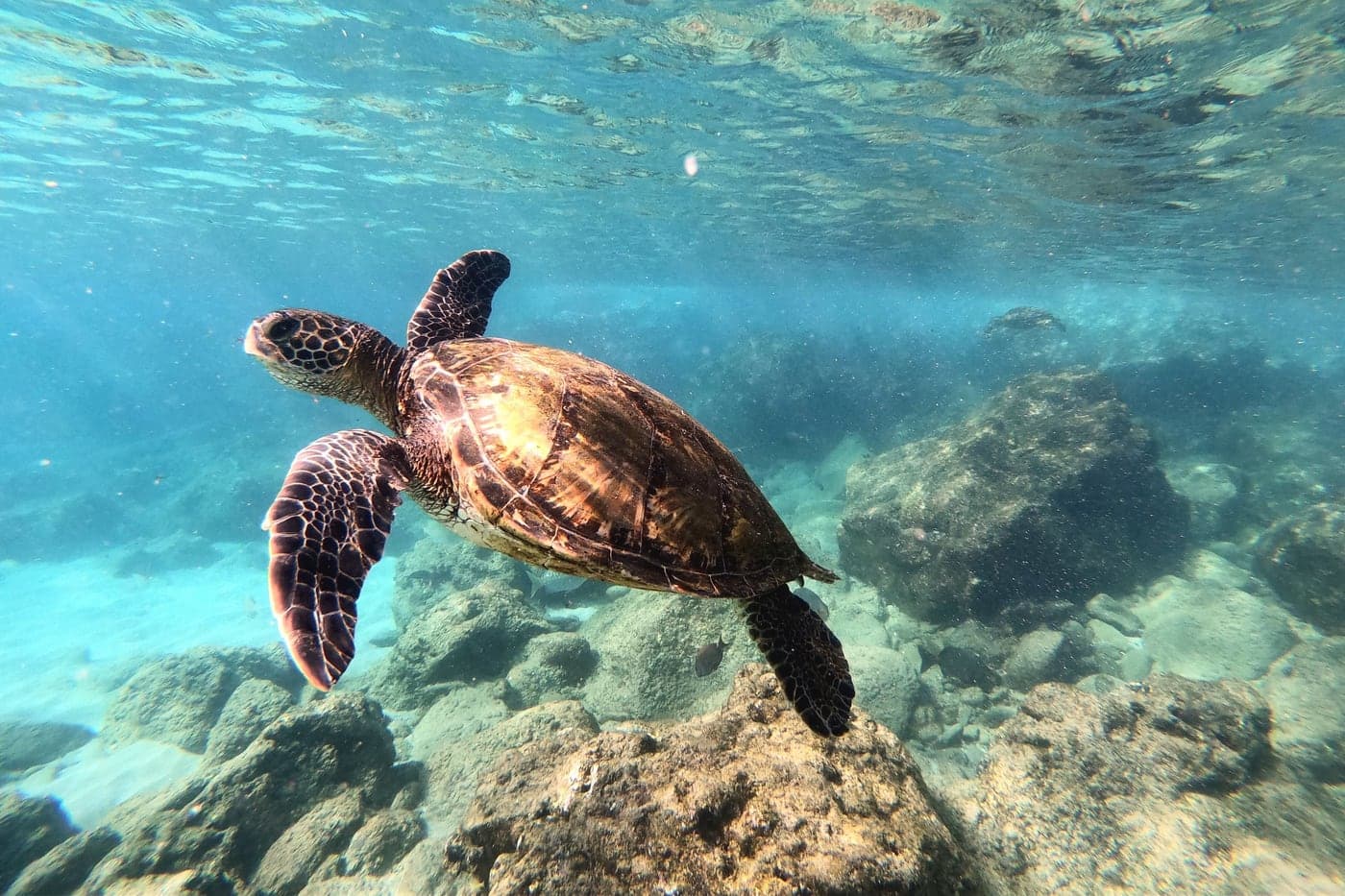
Puako is one road roughly three miles long running between the highway and the water and Mauna Kea Resort and Mauna Lani Resort, and that single street is essentially the entire community, home to about 770 people. The shoreline is shallow reef rather than beach, which gives it tide pools, some of the clearest snorkeling on the coast, and a permanently low-key character, since there is nowhere for a resort to put a hotel. The Puako Petroglyph Preserve sits just inland and holds one of the largest concentrations of rock carvings in the islands. Houses range from modest older beach shacks to substantial oceanfront luxury homes, and that mix along one road is a good part of the charm. It is dry, hot and quiet, with no commercial center whatsoever, so groceries mean a drive to Waikoloa Village or Waimea. What people buy here is water access and the absence of everything else.